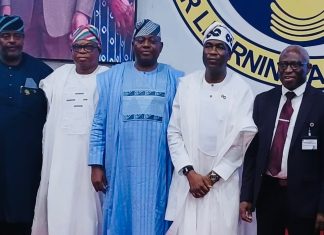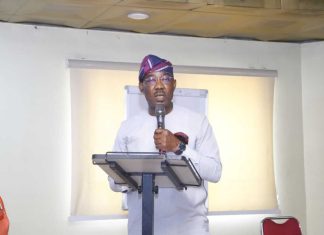

In Lagos, where the pace of economic life is as energetic as its’ people, a new generation of leaders is beginning to shape the conversation about the future. Among them is Oluwadamilare Sonayon Adebowale Bashir, a young political voice whose emerging ideas center on a question that resonates across the state. How can leadership translate ambition into real opportunity for citizens, particularly young people?
The themes that surround his public outlook offer a glimpse into the direction of his thinking. At the center of his approach is the belief that youth empowerment must move beyond rhetoric into structured programs that equip young people with skills, resources and access to economic opportunities. The priority, in this framework, would likely be the development of training platforms, entrepreneurship support systems and mentorship networks that connect young Lagosians with industries capable of sustaining long-term growth.
Another pillar of Bashir’s vision is the role of tourism as an economic driver. Lagos already possesses the cultural vitality, artistic energy and historic identity that attract visitors from around the world. Bashir’s thinking points toward a model in which tourism development is not confined to large corporations or urban entertainment centers but extends to local communities and young entrepreneurs. Community-based tourism initiatives, cultural festivals, heritage site promotion and youth-led creative enterprises could form the backbone of such a strategy, ensuring that the benefits of tourism flow directly to residents and emerging business owners.
In any plan focused on youth and economic expansion, measurement becomes essential. Bashir’s vision suggests that success should not be defined by political declarations but by clear and measurable outcomes, through increased youth employment, expanded access to vocational training, a rise in youth-led startups and a tourism sector capable of generating both revenue and sustainable livelihoods. These indicators would provide tangible proof that empowerment policies are producing real change rather than temporary relief.
Equally important within this outlook is the question of gender inclusivity. Lagos’ economic and social future, Bashir’s thinking suggests, cannot be separated from the advancement of women and girls. Policies that expand educational access, promote female entrepreneurship, and encourage women’s participation in leadership roles would form an essential part of a broader development strategy. Strengthening support systems from mentorship initiatives to financial access for women-owned enterprises could play a critical role in building a more balanced and resilient society.
Yet, like many ambitious visions, such an agenda would not exist without obstacles. Youth unemployment, structural economic pressures and institutional limitations present challenges that no single leader can resolve alone. Bashir’s emerging perspective appears grounded in the understanding that progress requires persistence, collaboration and a willingness to confront systemic barriers with pragmatic solutions.
What distinguishes his voice in this evolving conversation is the belief that youth energy, cultural identity and economic innovation can work together to reshape the development narrative of Lagos. By linking youth empowerment with sectors like tourism and entrepreneurship, the vision attributed to Bashir reflects a broader idea; that the state’s greatest resource is not simply its’ economy or infrastructure, but the creativity and ambition of its’ people.
Bashir stands among a group of young figures seeking to define what governance might look like when the priorities of the next generation take center stage.