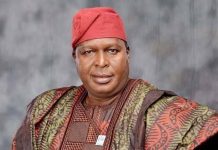
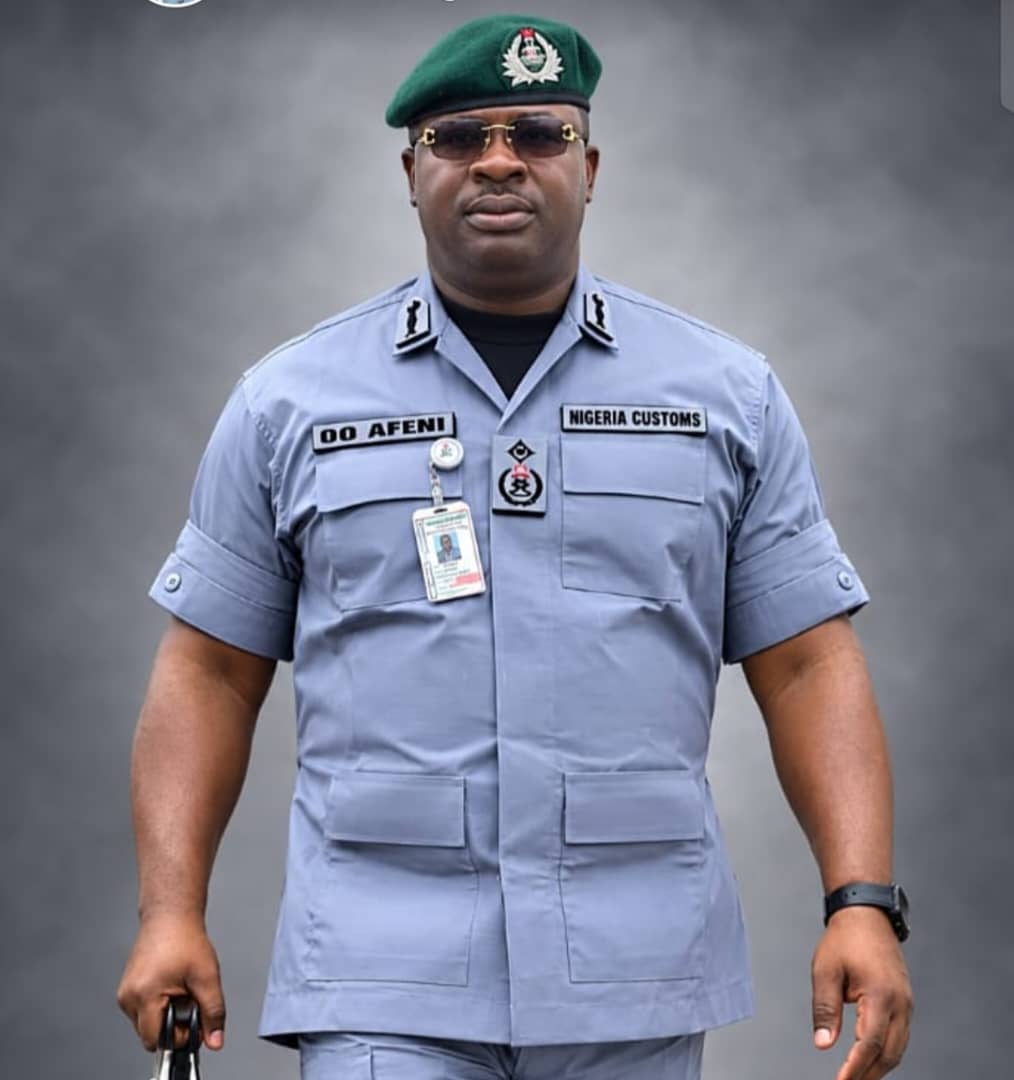
When Deputy Comptroller Oladapo Olukayode Afeni assumed duty as head of the Federal Operations Unit (FOU), Zone A, Nigeria Customs Service (NCS), on September 30, 2026, expectations were high.
His reputation had preceded him from Ogun I Area Command, Idiroko, where he combined border security, revenue mobilisation, anti-smuggling enforcement and trade facilitation to remarkable effect.
Barely four weeks later, his maiden press briefing in Ikeja, Lagos, on November 3, 2026, offered the first scorecard of his administration — and an early indication that he intends to expand the definition of operational success beyond seizures.
Within the period, FOU Zone A recorded 195 interceptions of prohibited and restricted goods with a combined Duty Paid Value (DPV) of ₦6.194 billion.
More significantly, the Unit recovered ₦683.661 million through intensified compliance checks, scrutiny of import declarations, correction of under-valuations and issuance of demand notices.
The distinction matters. While the DPV reflects the value of enforcement operations, the ₦683.661 million represents actual revenue recovered through interventions in the compliance and assessment chain.
Afeni attributed the recovery to enhanced risk profiling, targeted examination of questionable declarations, teamwork and closer collaboration with stakeholders.
*Revenue Consciousness As Operational Culture*
Afeni has since moved to make revenue consciousness an operational culture, warning leadership at various entry points, including Releasing Officers and Compliance Seats, to sit up and ensure that Customs revenue is jealously guarded.
The message goes beyond routine admonition. It recognises that Customs revenue is not generated only by intercepting smuggled goods, but also through classification, valuation, assessment, compliance verification and proper application of tariff regulations during regular clearance.
Revenue leakage, he noted, can occur through deliberate under-declaration, wrong classification, undervaluation, false documentation, improper concessions and non-compliance with import conditions.
Officers in the clearance process, therefore, occupy critical positions in determining whether government receives what is legally due to it.
*A Record That Preceded Him*
At Ogun I, Afeni reported ₦896.539 million revenue between January and August 2026, against an assigned target of ₦545.348 million.
The Command also processed 31,177 metric tonnes of exports with a Free-on-Board value of ₦4.64 billion, against no recorded export activity in the corresponding period of 2025.
Between December 4, 2025 and September 29, 2026, Ogun I recorded 327 seizures with a combined DPV of about ₦14.75 billion, covering foreign parboiled rice, petroleum products, illicit drugs, arms and ammunition, endangered wildlife and other prohibited items.
At FOU Zone A, he inherited a strong structure from his predecessor, retired Comptroller Gambo Aliyu, who disclosed at the September 30 handover that the Unit recovered ₦3,192,511,547.52 between December 10, 2025 and September 24, 2026 — 798 per cent of its ₦400 million annual target — from 779 interceptions worth ₦13.075 billion DPV.
Afeni’s task is to consolidate that foundation and make revenue recovery an even more integrated part of enforcement.
*Beyond Seizures: Harm Prevention*
The 195 interceptions covered narcotics, food products, petroleum products, pharmaceuticals, used vehicles, wildlife and other restricted imports.
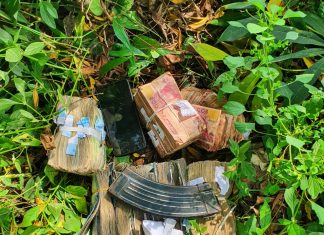
They included 5,986 parcels of Cannabis sativa and Cannabis indica weighing 3,407.83kg, 400 grammes of cocaine, 100 grammes of methamphetamine, 57 cartons, 37 packs and six pieces of codeine syrup, and 1,250 rounds of 12-calibre Red Star cartridges.
Also seized were 23,220 pieces of new machetes imported without requisite End User Certificates and permits.
Afeni warned about the security implications, particularly ahead of another electoral cycle.
“Election violence is rarely an isolated incident but facilitated and aided by smuggling activities like the one thwarted by our operatives,” he said.
Citing the 2025 World Drug Report of the United Nations Office on Drugs and Crime (UNODC), he noted that cannabis remains the most widely available illicit drug globally, accounting for an estimated 42 per cent of drug use disorder cases worldwide, and warned that potent strains like Colorado were destroying youths’ prospects.
“We will not measure our success by how much we seize, but by how much harm we prevent,” he declared.
Other seizures included eight live pangolins, 21 foreign-used vehicles, 11 means of conveyance, a 40-foot container of 2,760 office chairs in completely knocked-down condition, 173 cartons of frozen poultry, 6,949 cartons of spaghetti, 459 bales and 39 jumbo sacks of second-hand clothing, 1,236 used tyres, 8,025 litres of Premium Motor Spirit, and large quantities of rice, sugar, milk and other food items.
*Intelligence, Collaboration And Trade Facilitation*
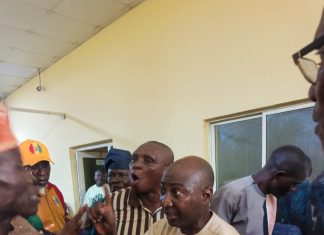
On October 14, Afeni began a familiarisation tour of strategic agencies in Lagos, including the Police, Department of State Services, Nigerian Army’s 81 Division, NDLEA, Nigeria Immigration Service and 9 Brigade, to strengthen intelligence sharing and joint operations.
He listed NDLEA, Police, DSS, Immigration, Army, NAFDAC and NESREA among agencies the Unit collaborates with, explaining that seized narcotics are handed over to NDLEA while other items go to appropriate agencies.
In October, the Unit handed over illicit drugs and pharmaceutical products valued at ₦511.4 million to NDLEA and NAFDAC.
Afeni also assured importers, licensed Customs agents and the trading public that compliant businesses would receive support, while duty evasion and falsification would attract firm enforcement.
Ultimately, his success will not be judged by warnings or seizure figures alone, but by whether FOU Zone A can build a stronger culture of compliance, reduce revenue leakages, improve enforcement intelligence and protect legitimate trade.
His first four weeks suggest a Deputy Comptroller determined to make operational efficiency, professional accountability and revenue consciousness inseparable — moving beyond the seizure room to the revenue collection machinery.