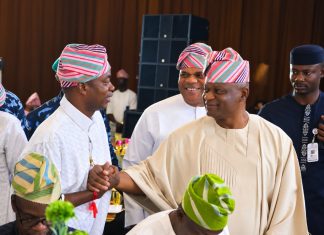
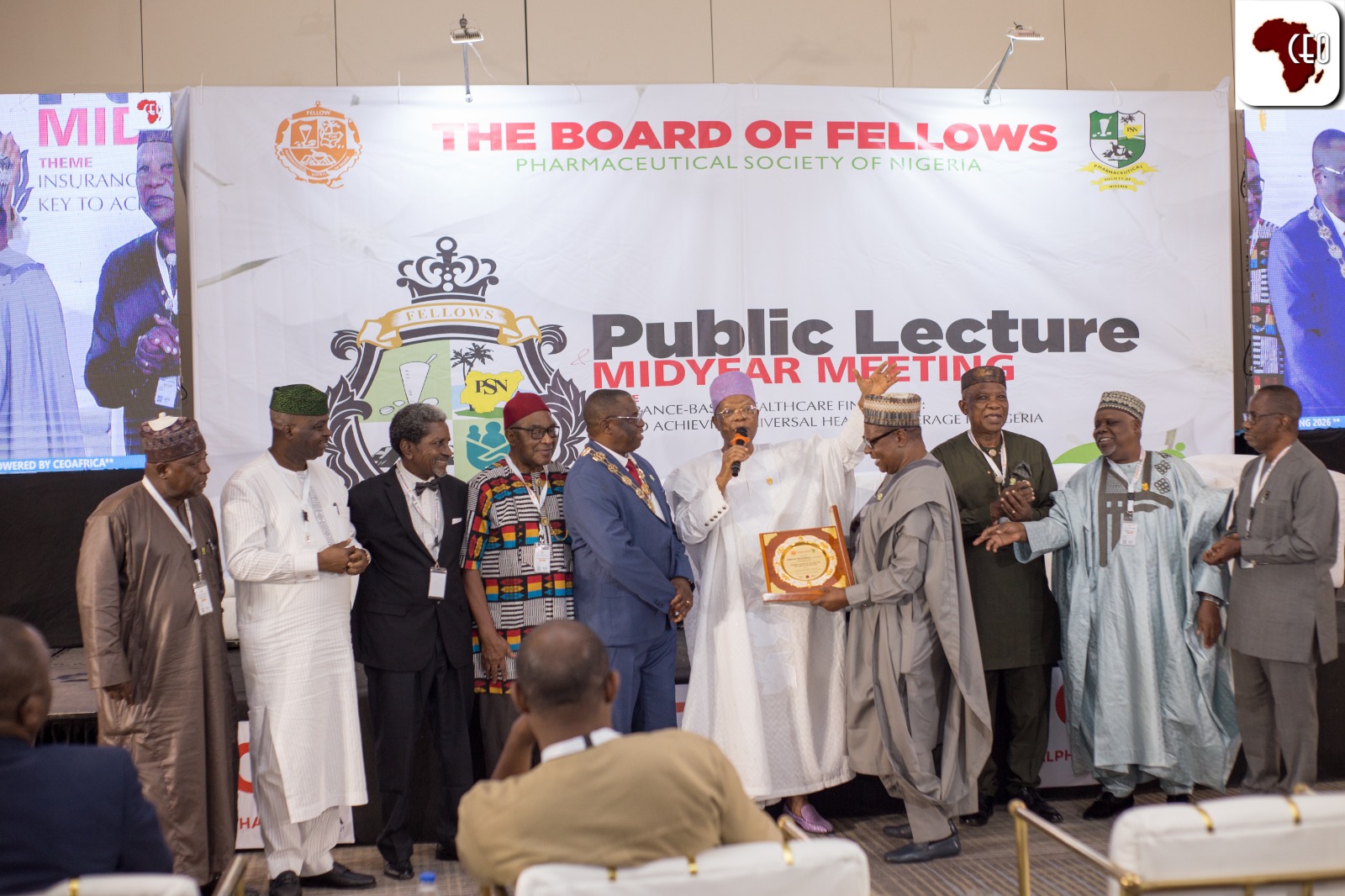
Healthcare leaders have called for an urgent push to expand health insurance in Nigeria, saying millions of citizens are still pushed into poverty by out-of-pocket medical costs. The demand was made at the 2026 Public Lecture and Mid-Year Meeting of the Board of Fellows of the Pharmaceutical Society of Nigeria (BOF-PSN) held in Ikeja, Lagos. With the theme “Insurance-Based Healthcare Financing: Key to Achieving Universal Health Coverage in Nigeria,” stakeholders warned that only 5% to 8% of Nigerians currently have health insurance, while over 70% of healthcare spending is paid directly by patients.
BOF-PSN Chairman, Pharm. Uchenna Uzoma Apakama, said Nigeria’s UHC index remains at about 40, leaving traders, artisans, transport workers and market women vulnerable to catastrophic health bills. He urged members of the National Assembly to dedicate part of their constituency funds to premium sponsorship, and called on labour unions, market associations and corporate bodies to adopt group enrolment. Chairman of the occasion and former Minister of Health, Prince Julius Adelusi-Adeluyi, challenged Nigerians to value health insurance the same way they insure cars and property, and urged pharmacists to lead advocacy across communities.
The event also featured new commitments from government and the private sector. Representing the NHIA, Pharm. Femi Adeoye said the Renewed Hope Agenda is driving expansion through digital enrolment, stronger provider accreditation and improved service quality. Hygeia HMO CEO John Iwuajoku noted that over 130 million Nigerians are uninsured and recommended linking NIN and BVN to insurance registration for better planning. A key highlight was Ultimate Health HMO’s launch of U-Health GIFSHIP, a package tailored for informal sector workers that covers maternal care, deliveries and cancer support. MD Dr. Lekan Ewenla said the goal is to make care affordable and equitable. Stakeholders from NDLEA, PCN and other professional bodies pledged support, agreeing that partnerships between government, professionals and communities are critical to move Nigeria from out-of-pocket payments to a sustainable insurance model.